
Is Mexico Safe for Internships in 2026: What Interns Should Know
Search data shows that questions like “is Mexico safe” and “how safe is Mexico” are among the most common swatches people make when researching travel or internships into the country. Students, parents, and candidates often want reassurance before committing to an international experience.
Part of this concern is influenced by how Mexico appears in international media. News coverage often focuses on crime or security challenges happening in specific regions. While these reports are important, they can shape one’s perceptions of the entire country even when the events happen far from the cities where students typically study or intern.
It’s also important to differentiate between general travel risk and participating in a structured internship program. Independent travelers often manage housing, transportation, and daily logistics on their own. Opposed to structured internship programs which usually include guidance, local contracts, and orientation support that help candidates navigate their new environment more confidently.
Taking a balanced and factual perspective is essential when discussing safety. Mexico’s size and regional diversity means that conditions vary widely. Candidates research internships in Mexico should focus on the specific city and program structure rather than relying on headlines about the country as a whole.
How Safe is Mexico in 2026? A Realistic Overview
To understand how safe Mexico is in 2026, it helps to recognize how large and diverse the country is. Mexico includes major metropolitan cities, cultural centers, tourist destinations, and rural regions, each with their own local environment.
Safety conditions vary by region and city. Some areas receive more attention due to crime concerns, while others are known for tourism, education, and international exchange programs. Due to these differences, evaluating safety requires looking at the specific location where an internship takes place.
Government travel advisors can provide a general overview of regional conditions. Organizations such as the U.S. The Department of State publishes travel guidance that helps travels stay informed about safety considerations in different parts of Mexico.
However, these advisories apply to large geographic areas and may not fully reflect the conditions of individual cities where candidates participate in Mexico internships. Having an understanding of local context such as neighborhoods, transportation options, and community dynamics is often more useful when evaluating a specific internship destination.


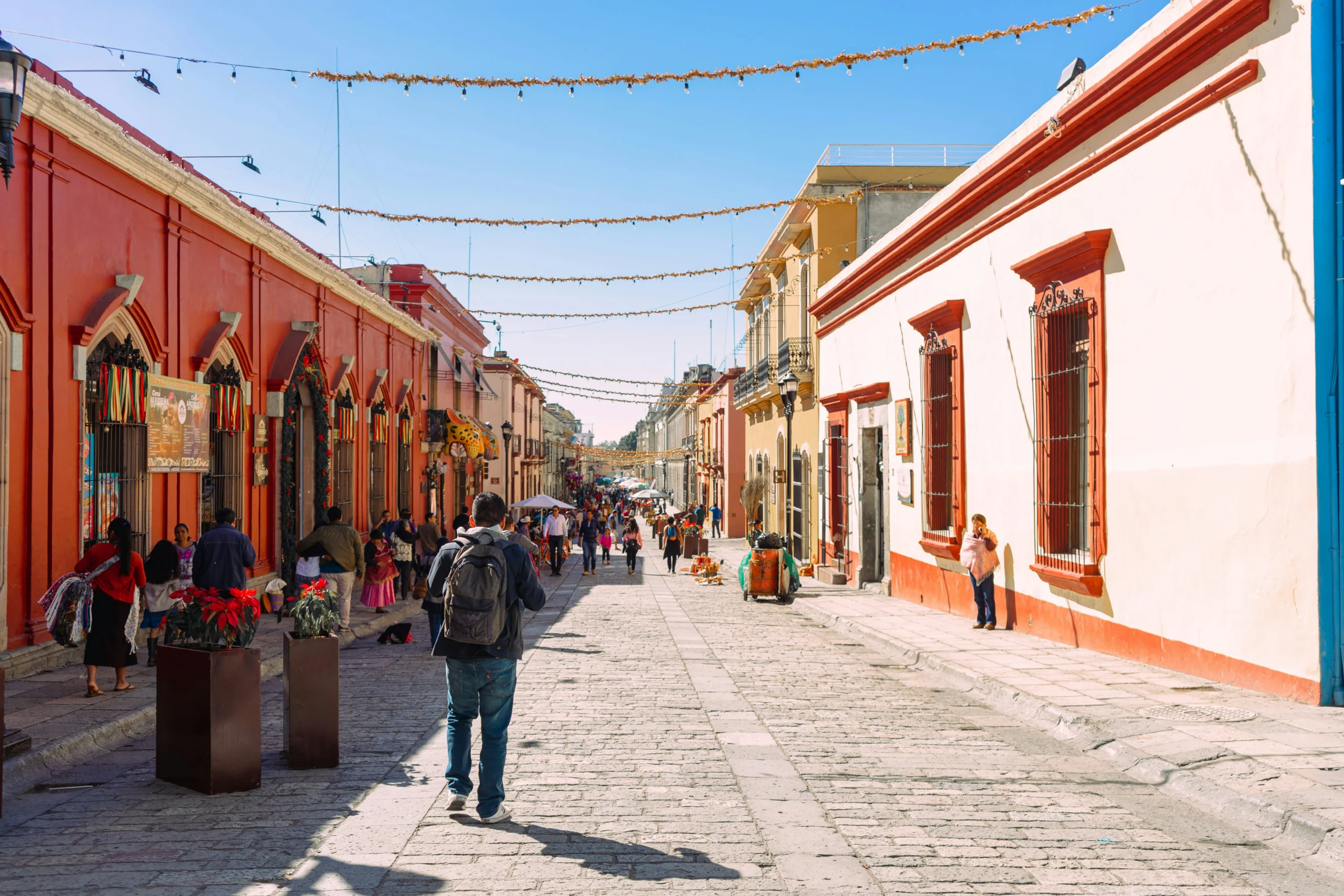
Safety in Oaxaca: Understanding the Local Context
Oaxaca is one of the locations frequently associated with internships in Mexico, and understanding its local environment helps provide useful context for students considering the region.
The city of Oaxaca is known for its strong cultural traditions, history, architecture, and vibrant arts and culinary scenes. Compared to some regions of Mexico that appear frequently in international news, Oaxaca has developed a reputation as a culturally risky destination that attracts travelers and students.
Like any city, safety can vary between neighborhoods. Areas near the historic center and popular public spaces tend to have active streets, restaurants, markets, and community events that bring together locals and visitors throughout the day.
Candidates participating in internships should follow common precautions such as staying aware of their surroundings, avoiding poorly lit areas at night, keeping an eye on their belongings, and asking local coordinators for guidance if needed.
Oaxaca is also known to have a community-oriented environment. Many candidates describe the city as welcoming and culturally engaged, which can make it easier for international interns to connect with local residents while gaining professional experience.

What Makes Structured Internships in Mexico Safer
For many candidates, one of the biggest differences between independent travel and structured internships in Mexico is the support network available during the program. Structured internship programs often include several features designed to assist candidates adapt to their host city and workplace.
- Pre-screened host organizations – Many internship providers carefully research and pick companies or nonprofits before placing interns. This helps ensure the candidate is working in a legitimate organization that will provide meaningful professional experience.
- Local Placement support – Programs often have local coordinators who help interns adjust to the city, answer questions, and provide guidance about transportation, neighborhoods, and cultural expectations.
- Housing coordination – Housing can be one of the most challenging and expensive aspects of living abroad. Structured programs often help interns in finding or providing accommodations that are located in great central areas.
- Orientation and on-site staff – Orientation sessions typically introduce interns to the city, workplace expectations, and safety practices. These sessions help students understand how to navigate their new environment responsibly.
- Clear communication channels – Candidates usually have designated contacts that can reach if questions or concerns arise during their internship experience.
While no international experience can guarantee safety, these support systems can reduce uncertainty and help students feel more prepared when participating in Mexico internships.
“Oaxaca was everything I hoped it would be. I got so much experience improving my Spanish by speaking with the locals, and everybody I had the pleasure of interacting with was extremely kind and gracious to me.” Hanna S., Art and Design Volunteer Program

Common Safety Questions from International Interns
- Is Mexico Safe for Students?
Many students specifically ask “is Mexico safe for students?” when researching study abroad or internship opportunities. In most cases, students who approach their experience with preparation and awareness have positive experiences abroad. Learning about the host city, understanding cultural norms, and staying connected with program coordinators can help students feel more comfortable while living in Mexico.
- Is Public Transportation Safe?
Public transportation is widely used in Mexican cities. Buses, shared taxis, and other transportation options are part of daily life for both residents and visitors. Candidates are required to follow practical safety habits such as using local buses recommended by coordinators, avoiding empty vehicles late at night, and keeping personal belongings secured. These practices are similar to safety guidelines recommended for students living in cities around the world.
- Is Healthcare Accessible?
Mexico has both public and private healthcare systems, and many cultures have clinics and hospitals available for residents and visitors. Some international students prefer private clinics, which may offer shorter wait times and English-speaking medical staff if needed.
- Do Interns Walk Alone at Night?
Like in most cities internationally, interns are generally advised to exercise caution when walking alone late at night in unfamiliar areas. Many students choose to travel with friends, use tacos, or ride share services when returning home from late evening activities.
Smart Safety Practices for Interns in Mexico
Candidates participating in volunteer programs in Mexico can take several steps to stay informed and prepared during their experience abroad.
- Situational awareness – Paying attention to surroundings and staying aware of local conditions helps interns make informed decisions while navigating the city.
- Understanding neighborhoods – Learning about the neighborhoods, such as residential areas, business districts, and touristy areas can help candidates feel more comfortable navigating their host city.
- Cultural norms – Respecting local customs and communication styles can help interns build positive relationships within the workplace and community.
- Emergency contacts – Keeping important phone numbers accessible, including program coordinators, emergency services, and family helps ensure assistance is available if needed.
- Staying informed – Monitoring local news, transportation updates, and travel guidance helps students stay aware of any developments that might affect daily routines
Approaching safety as a shared responsibility between the intern and the program provider helps create a more prepared and positive experience.
So, Is Mexico Safe for Internships in 2026?
So, is Mexico safe for internships in 2026? The answer depends largely on location, preparation, and the structure of the internship program.
Mexico is a large country with regional variation, and safety conditions can differ between cities and neighborhoods. At the same time, many students successfully participate in internships in Mexico each year, gaining valuable professional experience while immersing themselves in a new culture.
For many interns, safety ultimately depends on preparation, responsible decision-making, and having access to reliable support systems. Structured programs can help reduce uncertainty by providing local knowledge, housing coordination, and on-the-ground guidance throughout the internship.
Explore our volunteer opportunities in Mexico and discover how international work experience can combine professional development with cultural immersion.
More To Explore
Choosing the Right Program for Your Gap Year Abroad

Study Abroad Scholarships: How to Find and Apply for Funding